Before the war gave her a new name, Lida Zhivalyuk was Rivka. She was a child growing up near Odessa, surrounded by family and the ordinary rhythms of life, when history tore that world apart.
At eight years old, she did not yet understand war, only how quickly a sense of safety could vanish. Her father, a tailor, was sent away to work in Odessa. Rivka remained with her mother, who quickly understood what danger meant for Jewish families. With instinct and courage, her mother hid her again and again, moving from village to village, sleeping in barns, begging for bread and water. Hunger became a constant part of life, and fear for her safety was familiar.
At one point, Jews were told they could return home if they registered for labor. Rivka and her mother went, hopeful. Her mother sensed something was wrong. She hid Rivka in a haystack and ran. That night, Rivka heard gunshots. Even as a child, she understood that her mother had saved her life.
Eventually, her mother made the most painful decision imaginable. She placed Rivka with a Ukrainian woman she had known before the war. To protect the child, the woman gave her a new name. From that moment on, Rivka was known as Lida, a name she carried for the rest of her life out of gratitude to the woman who took her in and saved her.
Though her name changed, her identity did not. She remained a Jew.
Lida survived ghettos, near executions, freezing nights hidden in haystacks, and moments when death felt unavoidable. There were nights that could have been her last. Once, a soldier unexpectedly ordered children to run moments before they were to be shot. Another time, a young boy stayed awake beside her through a deadly winter night, waking her repeatedly so she would not freeze to death.
Miracles were familiar to Lida. The woman who opened her door to a gravely ill child was a natural healer, and for months she nursed Lida back to health. Human kindness shone during the darkest times.
After years of separation, Lida reunited with her father and brother. The war eventually ended, but her mother and sisters never returned. With nothing but torn clothes and grief, Lida chose life.
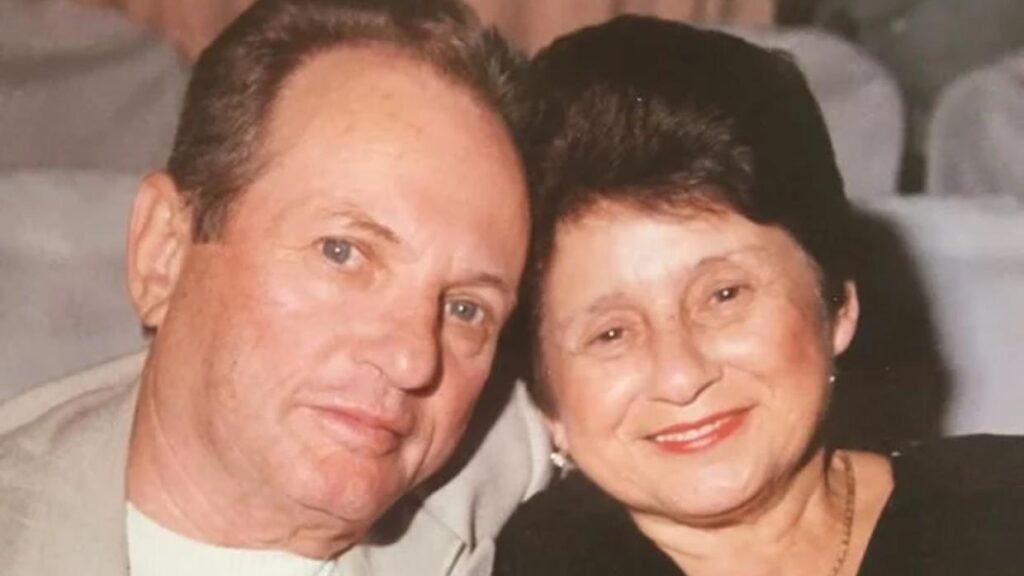
In the years that followed, Lida married Isaac, a boy she met right after the war at the age of thirteen. Together they chose to build a future not defined by what had been taken from them. When Lida became a mother, her healing began. Caring for new life allowed her to slowly reclaim what had been broken. Healing came through loving.
Years later, Lida and her husband immigrated to the United States. Having grown up in the Soviet Union, she knew little about Jewish observance. Yet when she sat at a Shabbat table for the first time, something deep inside her stirred. It felt like a missing piece of her soul had returned. Slowly and intentionally, she reclaimed the Jewish life that had nearly been taken from her.
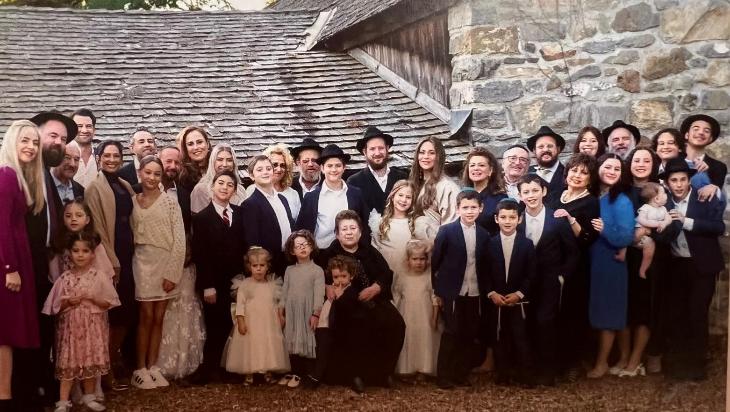
Every morning and night, Lida expresses gratitude to God. She thanks Him for saving her life and for the family that grew from that miracle. She never imagined that from her background, after everything that was lost, she would one day see generations of Jewish life continuing forward.
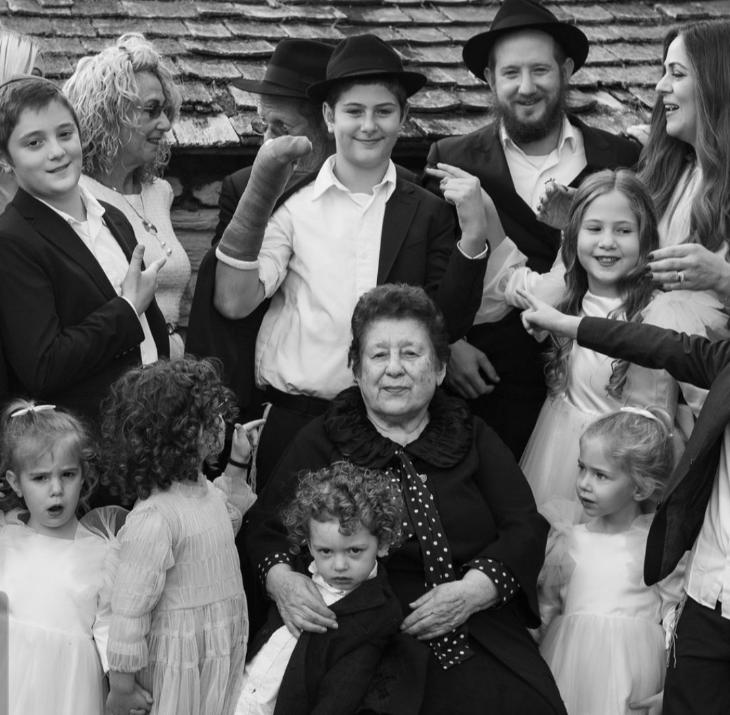
Lida often speaks to her children, grandchildren, and great grandchildren about unity. She urges them to love one another, to help one another, and to care not only within the family but also for the people around them. Responsibility, she believes, does not end at the front door.
Her favorite words carry her entire life story and belief: “God saved me for a reason”.
Lida’s Life Lessons
Lida doesn’t tell her story to dwell on pain. She shares it so future generations can live better, wiser, and more grateful lives. Here are the key insights she wants to convey.
Gratitude
Her friends know that Lida doesn’t tolerate complaining. When someone mentions discomfort, she responds with simple questions: Do you have a home? Are you warm? Did you eat today? She reminds people that gratitude begins with perspective.
Remembering these basics keeps life grounded. For Lida, gratitude isn’t about big moments. It’s about noticing ordinary blessings and treating them with respect every day.
A Positive Perspective
Perspective comes from knowing the difference between hardship and inconvenience. Having lived through real fear and loss, she learned not to give small annoyances too much power. Pause to discern the difference.
Mindfulness
Life is lived one moment at a time. When things feel overwhelming, she reminds people to focus on what is right in front of them. Take the next step. Do what you can today. Peace comes from staying present instead of worrying about what might happen next.
Kindness
Kindness is made of small, simple choices. Lida is alive because people chose to care when it was risky and inconvenient. She reminds her family that kindness can be as simple as a smile, a kind word, a phone call, or noticing someone who needs help. It does not have to be dramatic to matter.
Live with Purpose
Life isn’t about comfort. Shouldering the burden of responsibility – building a family, caring for others, volunteering – is how you create a life brimming with meaning. True wealth is measured by what we build through hardship.
Lida considers herself a wealthy woman, not because of material possessions, but because she is surrounded by children, grandchildren, and many great grandchildren. For her, this is the greatest response to the devastation of the Holocaust.
After 70 years together, she lost her beloved husband. The grief was deep, but she continues to live with joy, gratefully celebrating with her family every day she is blessed with.